In Podor, the River Ecomuseum preserves the memory of river trade
Opened in 2018 in Mawdo Diop’s former shop, the River Ecomuseum recounts the era when Podor’s quay thrived on waterborne trade. Everyday objects, commercial goods and boat remains trace the activity that once shaped the neighbourhood.
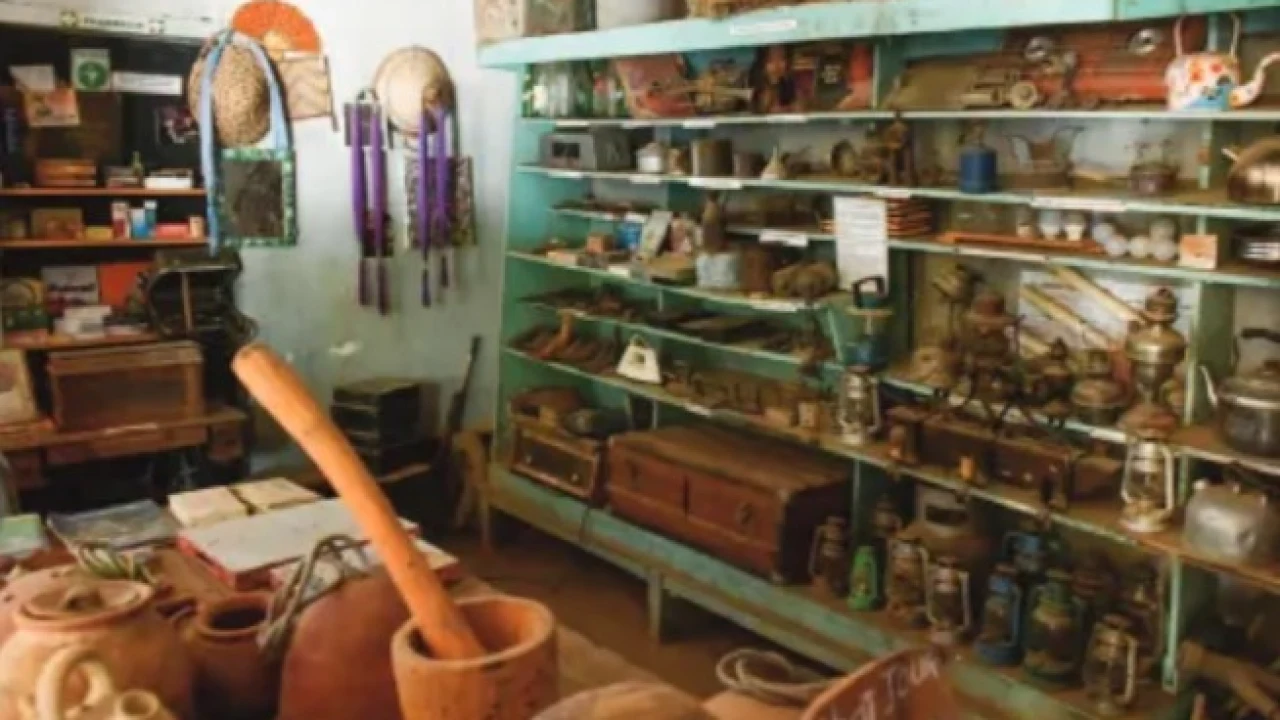
In Podor, the River Ecomuseum occupies the former commercial premises of Mawdo Diop, a leading figure in local trade. Opened in 2018, it brings together objects linked to the exchanges that once animated the quay and to traffic on the Senegal River.
The initiative comes against a backdrop of the gradual decline of river transport. In the early 2000s, boat arrivals became less frequent and businesses dependent on this activity lost their central role. The family shop closed in 2006, after having long been supplied by river and serving as a supply point for other traders.
A project launched in 2007
The idea of preserving this history was championed as early as 2007 by the Association de la rive gauche and the Saint-Louis tourist office. Ousmane Diop, Mawdo Diop’s son, subsequently transformed the vacant stores into a space for passing on this heritage. The ecomuseum opened more than a decade after the project was launched.
The exhibition recalls the quay’s historic role in the local economy. Mawdo Diop had worked at Galeries Peyrissac before taking over the premises when the company left the town. His business was then part of a trading network supplied by river arrivals.
Objects that tell the story of an economy
The collection includes, among other items, gum arabic, lamps, scales, irons, kettles, bricks, tiles, old records and parts from boats. These pieces bear witness both to commercial activities and to everyday life around the quay.
Gum arabic recalls the importance of this product in exports, while the scales point to transactions between traders. The boat remains evoke the links that connected Podor in particular to Saint-Louis and Mali. Together, they preserve the memory of a town that was once a major trading post in colonial commerce on the Senegal River.
From commercial space to site of remembrance
The ecomuseum thus combines a collective effort to preserve heritage with the history of a family of traders. The former shop, once dedicated to the movement of goods, has become a place devoted to preserving and recounting this activity.


Join the conversation
Reader comments are shown in their original language.