In Egypt, Xi Jinping urges opposition to interference and strengthens economic ties
On a visit to Cairo, his first in ten years, Chinese President Xi Jinping and his Egyptian counterpart Abdel Fattah al-Sissi called for diplomacy to take precedence in addressing regional conflicts. The meeting also resulted in an agreement on the Chinese-Egyptian industrial zone along the Suez Canal.
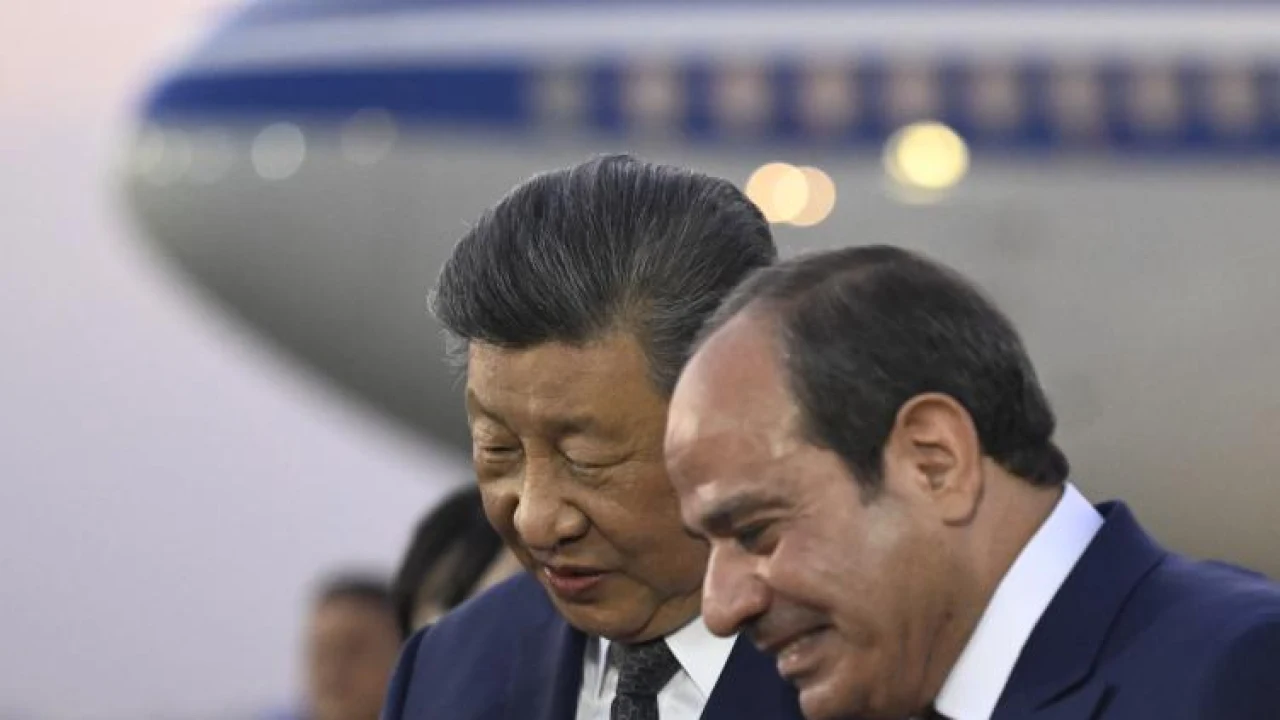
Chinese President Xi Jinping called on Middle Eastern countries in Cairo on Wednesday to oppose external interference. Received by Egyptian President Abdel Fattah al-Sissi at Al-Ittihadiya Palace, he also advocated, alongside his counterpart, diplomatic solutions aimed at bringing a lasting end to hostilities in the region.
According to remarks reported by the official Xinhua news agency, Xi Jinping defended the principle that the region’s peoples should decide their own affairs. He also said he was prepared to cooperate with the countries concerned to secure maritime navigation, as repeated attacks on vessels in the Strait of Hormuz affect this strategic route for hydrocarbon trade.
An agreement on the Suez Canal zone
The visit, the Chinese leader’s first to Egypt in ten years, also focused on economic cooperation. The two countries signed an agreement launching the third phase of their joint industrial zone. According to the authorities, it already hosts 200 companies and accounts for about $4 billion in investment.
The amount and financial terms of this new phase have not been made public. Other agreements were concluded, without details of their content. The project nevertheless strengthens China’s presence in the Suez Canal area, at a time when tensions between the United States and Iran pose risks to international maritime trade.
Cairo between Washington and Beijing
This development comes as Washington increases pressure on Tehran’s trading partners. The previous week, the US Treasury had announced sanctions targeting Banque Misr’s Emirati branch, accused of taking part in financial operations with Iran.
A major partner of Iran and a significant buyer of its oil, China has pledged to defend its interests. Beijing is also seeking to deepen its relations with countries close to Washington. Egypt is among the main recipients of US military aid, while maintaining growing economic and military ties with China.
Abdel Fattah al-Sissi presented this approach as an independent foreign policy. The two countries, members of BRICS, also describe themselves as partners in strengthening the role of the Global South. Over the first seven months of 2026, China’s trade surplus with Egypt reached $12 billion, according to Chinese customs data.
Join the conversation
Reader comments are shown in their original language.