IMF agreement: Debt uncertainty weighs on Senegal’s Eurobonds
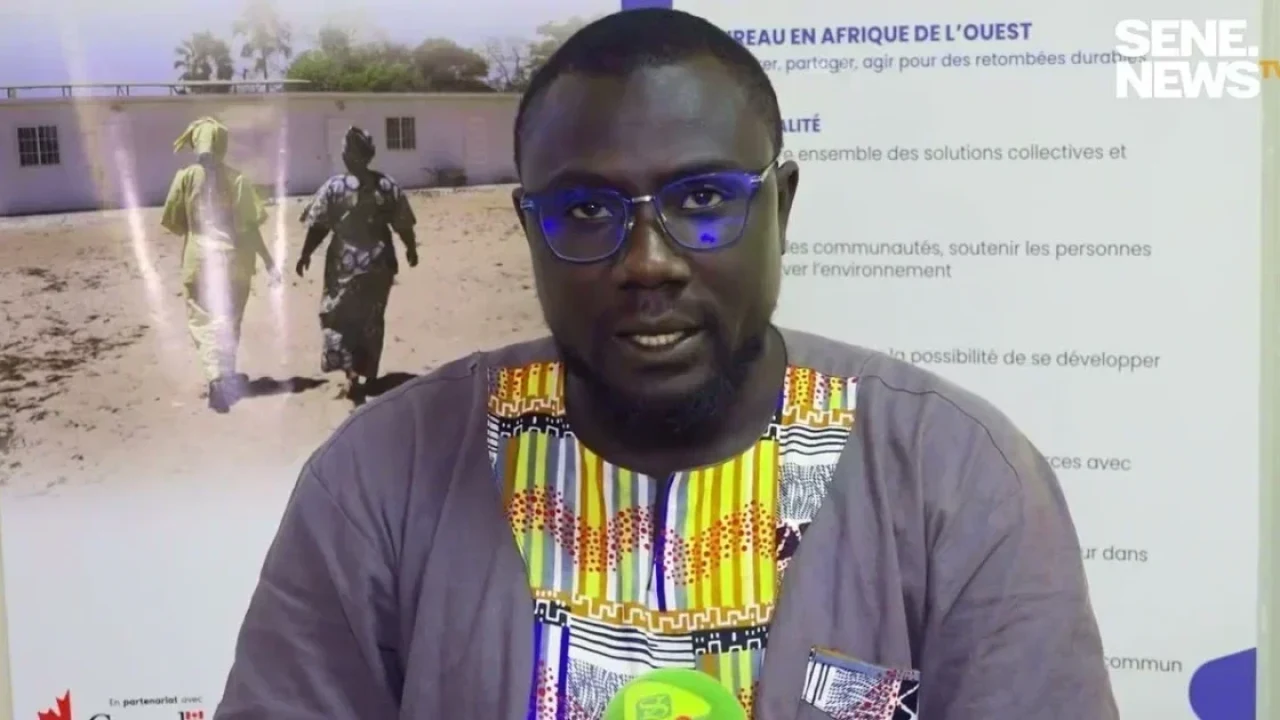
The staff-level agreement on a new 36-month programme with the IMF is seen as potential support for Senegal’s public finances. But, according to analyst Anouar Ayache, markets are primarily awaiting the practical terms of debt treatment and their possible impact on private creditors.
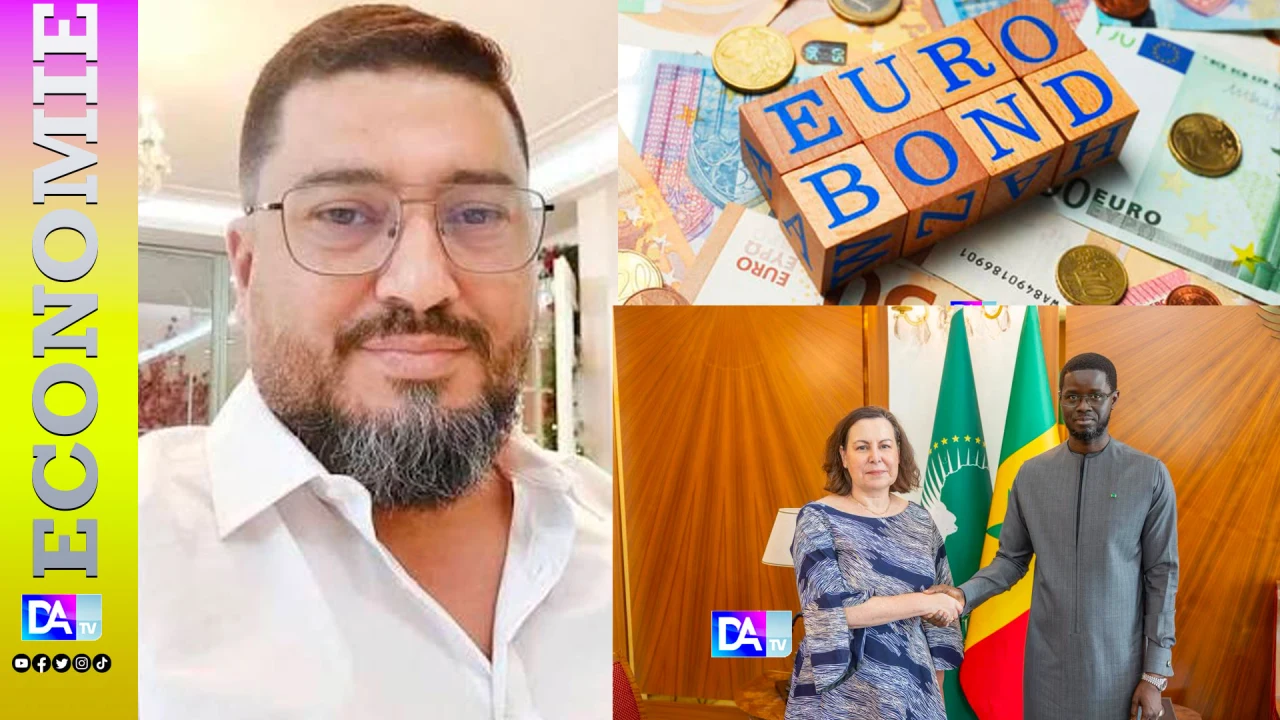
The staff-level agreement reached between Senegal and the International Monetary Fund (IMF) on a new 36-month programme does not, on its own, dispel investors’ concerns. According to economic and financial analyst Anouar Ayache, movements in Senegal’s Eurobonds mainly reflect uncertainty surrounding the future treatment of the country’s debt.
The agreement is described as a step that could support a gradual return to more sustainable public finances, foster confidence and facilitate the mobilisation of additional financing. The measures mentioned include increasing domestic revenues, streamlining expenditure, protecting vulnerable households, improving the management of debt and arrears, and strengthening oversight of public enterprises.
Debt treatment terms at the heart of expectations
The authorities have formalised a Senegal Debt Treatment Plan. Its stated aim is to sustainably restore the country’s debt profile, reduce the burden of debt servicing on the budget and free up room for priority public investment.
Senegal has also announced its intention to use the G20 Common Framework, in what has been presented as an enhanced format, with a tighter timetable, earlier information-sharing and consultations with the various categories of creditors.
For Anouar Ayache, markets are now seeking to know what form this treatment will take: maturity extensions, deeper restructuring or principal reduction. The role of private creditors and the treatment of Eurobonds are also among the key questions.
Balancing creditors and financial stability
The country will have to deal with official bilateral creditors, multilateral institutions, private investors and regional creditors. According to the analyst, the challenge is to maintain the stability of the domestic financial system, particularly within WAEMU, while preserving investor confidence.
The downgrade of Senegal’s sovereign rating by Moody’s, which occurred during negotiations with the IMF, adds to this pressure. Anouar Ayache believes that a further ratings downgrade would make financing more expensive and complicate access to international markets. He also stresses that the sought-after fiscal breathing room must be used to strengthen production, exports and public revenues.


Join the conversation
Reader comments are shown in their original language.