Public debt: Malick Gackou criticises government plan and fears structural adjustment
The Senegalese Debt Management Plan, presented on Tuesday by the Ministry of Economy, Finance and Planning, has drawn criticism from Malick Gackou. While the government promises lasting fiscal consolidation, the former minister fears serious social consequences.
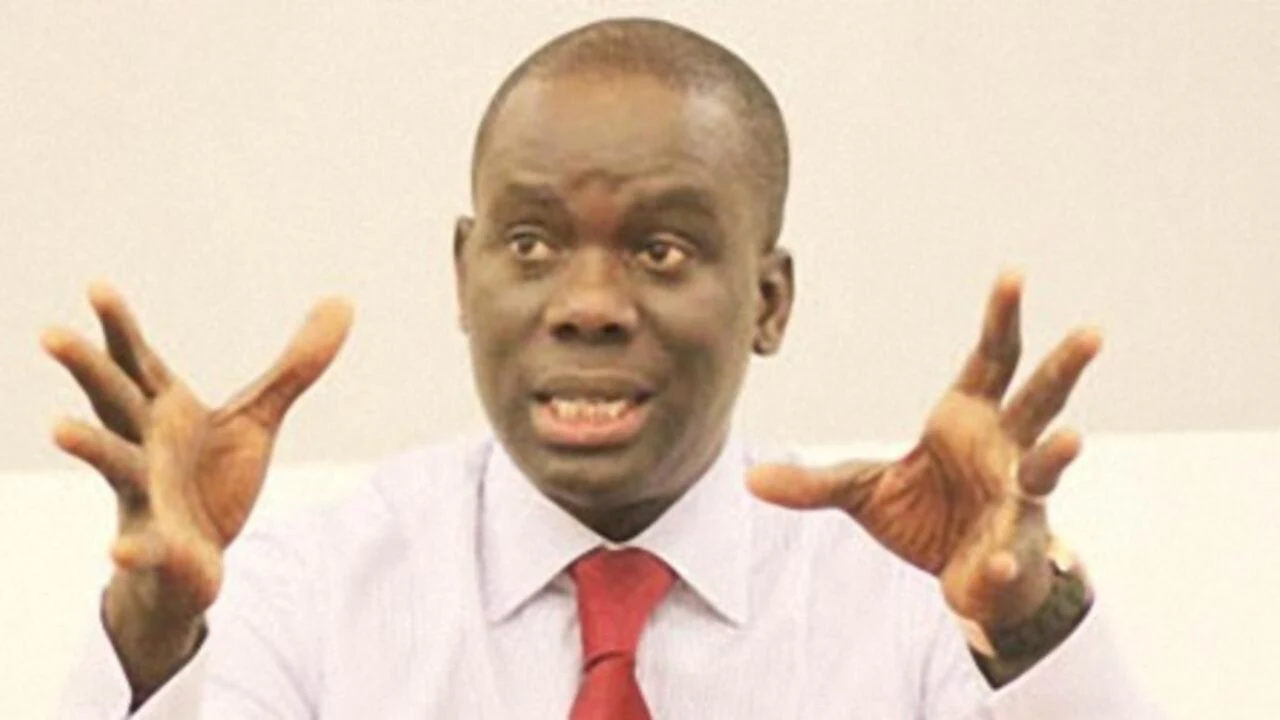
The Senegalese Debt Management Plan (PTDS), presented on Tuesday by the Ministry of Economy, Finance and Planning, has sparked its first political challenge. Malick Gackou believes the strategy adopted could lead to a restructuring of public debt and structural adjustment that, in his view, would harm vulnerable populations.
The government, on the other hand, defends the mechanism as one designed to gradually restore the sustainability of public finances and preserve the State’s investment capacity.
Two opposing readings of the PTDS
Malick Gackou, former Minister of Trade and new member of Pastef, links debt management to what he describes as the economy’s “constant decapitalisation”. He believes such a plan amounts, economically speaking, to accepting a restructuring of public debt.
In his response, he warns of the prospect of structural adjustment in the short term. He believes its effects could be particularly significant for the most vulnerable groups, while also weighing on recovery prospects. He therefore calls for preparations for that possibility.
Government highlights fiscal sustainability
Led by the ministry headed by Cheikh Diba, the PTDS is presented by the authorities as a response to the state of Senegal’s public finances. Its stated objective is to durably restore the public debt profile.
The plan is also intended to gradually reduce the burden of debt servicing in the State budget, bringing it down to levels considered sustainable. According to the government, this path should over time create additional fiscal space for public investment, particularly in social and priority sectors.
A debate over the strategy’s effects
The divergence therefore concerns the plan’s expected consequences. The authorities see it as a tool for financial rebalancing and freeing up resources for public investment. Malick Gackou sees it as carrying the risk of a difficult economic and social period marked by structural adjustment.

Join the conversation
Reader comments are shown in their original language.