Senegal-Mauritania: Roadmap for a Future Cross-Border Marine Area
Senegal and Mauritania devoted an inter-state workshop in Dakar on 27 and 28 August to the Cross-Border Marine Conservation Area project. The work resulted in a one-year roadmap and envisages a joint technical committee.
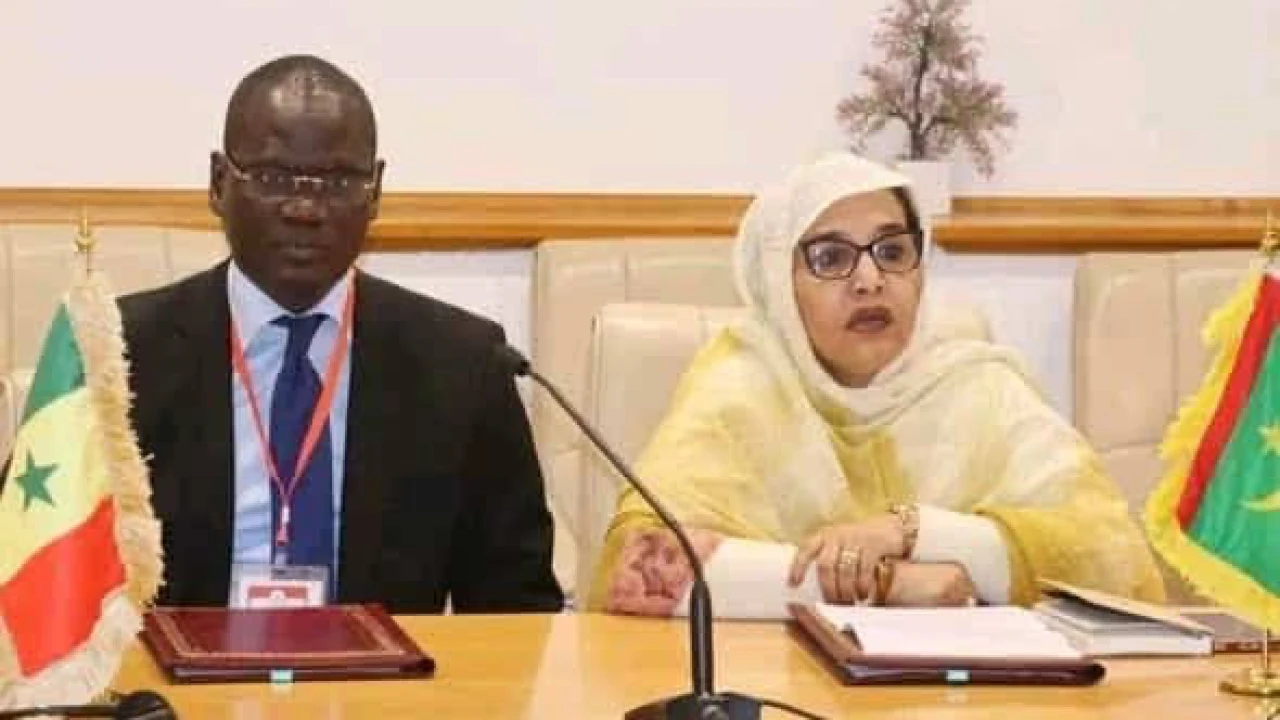
Senegal and Mauritania have taken a new step in their project to establish a Cross-Border Marine Conservation Area. Meeting in Dakar on 27 and 28 August for an inter-state workshop, the two countries worked on a joint approach to protecting their shared maritime area and sustainably managing fisheries resources.
The meeting brought together Senegalese and Mauritanian experts and researchers, with representatives of regional organisations as well as technical and financial partners taking part. Discussions focused on the available scientific, environmental and socio-economic information.
Identifying priority areas
One objective was to strengthen a joint approach to marine conservation. Participants reviewed existing data in order to establish common criteria for identifying areas that should be considered priorities.
This future cross-border area is presented as a tool to strengthen the preservation of marine ecosystems while organising the joint management of resources shared by the two countries.
A one-year action programme
The work also made it possible to prepare an operational, budgeted roadmap covering a one-year period. This document sets out the actions to be taken, the planned deadlines and the division of responsibilities among the institutions expected to take part in the project.
The establishment of a joint technical committee is also being considered. This body would be tasked with strengthening institutional coordination, monitoring planned activities and supporting the mobilisation of the necessary resources.
Cooperation focused on coastal communities
Through this initiative, Dakar and Nouakchott intend to combine the protection of marine biodiversity with the sustainable and equitable management of fisheries resources. Coastal populations and communities are cited among the expected beneficiaries of this cooperation.
The project is part of a regional dynamic based on knowledge-sharing, consultation among institutions and shared responsibility in the governance of maritime space.

Join the conversation
Reader comments are shown in their original language.